

At-home collection can make laboratory testing more convenient. The result still needs context. A number outside a reference range is not automatically a diagnosis, and a number inside the range does not guarantee that everything is fine.
Quick take: a lab result is one piece of a clinical picture. Symptoms, history, medications, preparation, collection quality, units, reference ranges, and trends all affect interpretation.
What a biomarker is
A biomarker is a measurable biological feature—such as glucose, cholesterol, a hormone, an enzyme, or a blood-cell count. Tests may be used for screening, diagnosis, risk assessment, or monitoring. The same marker can mean different things depending on why it was ordered.

Reference range does not mean pass or fail
Reference ranges are usually built from results in a comparison population. Labs may use different methods, units, and ranges. Healthy people can occasionally have values outside a range, while someone with a health concern can have a result within it. Use the range printed on your own report.
What can change a result?
- Fasting—or not fasting—when instructions called for it.
- Time of day, hydration, hard exercise, acute illness, or menstruation.
- Prescription medicines, over-the-counter products, and supplements.
- Collection technique, shipping time, temperature, or an insufficient sample.
- Normal biological variation and differences between laboratories.
Follow the kit and clinician instructions exactly. If a result is surprising or does not match how you feel, confirmation with a standard laboratory or additional evaluation may be appropriate.
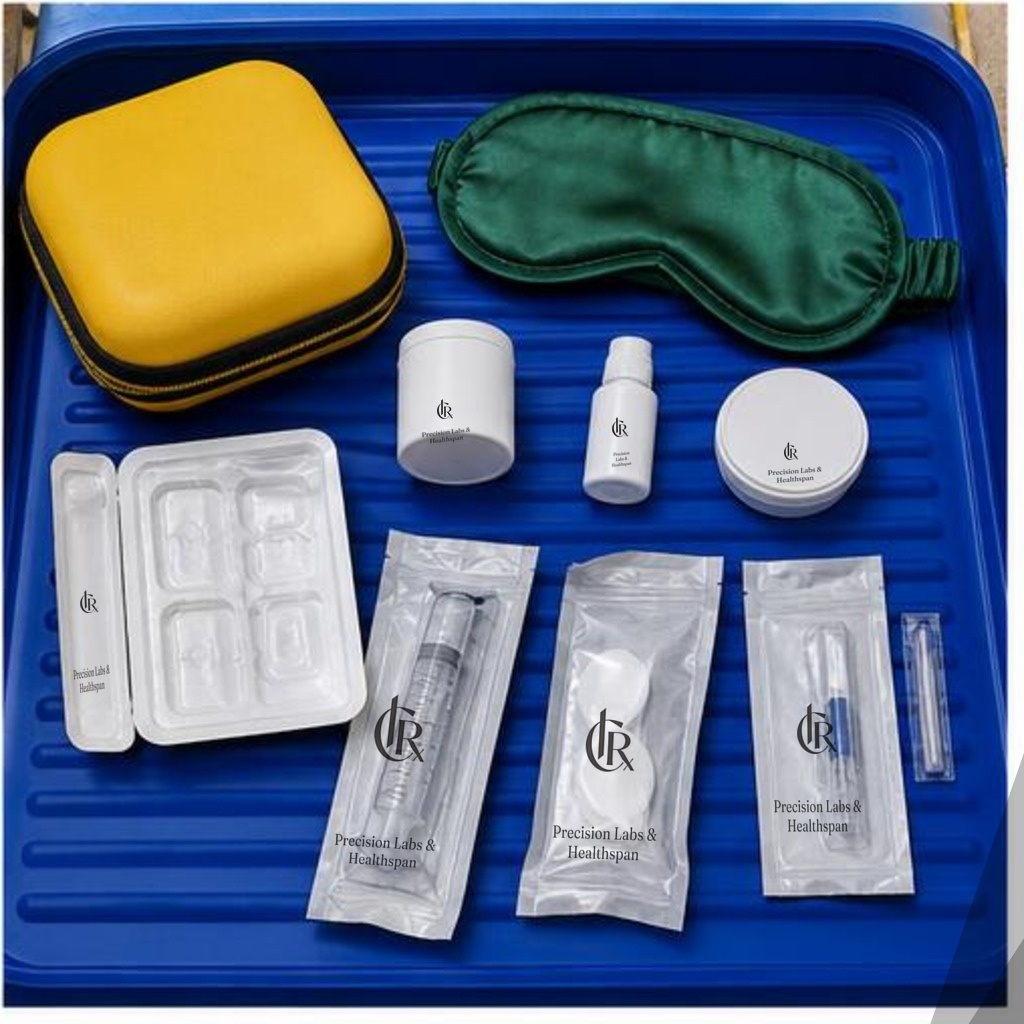
Look for decisions, not data volume
A large panel can create noise without improving care. Before testing, ask what question each marker is intended to answer and what action would follow an abnormal, normal, or uncertain result. Testing is most useful when it connects to a sensible decision.
A practical result-review checklist
- Confirm the test name, units, method, and the lab’s own reference range.
- Check whether preparation and collection instructions were followed.
- Compare trends only when the tests are meaningfully comparable.
- Review medicines, supplements, symptoms, and recent health changes.
- Ask whether repeat testing, a different test, or no action is appropriate.
- Know which results require prompt or urgent follow-up.
Frequently asked questions
Does an abnormal result mean I have a disease?
Not necessarily. Results can be affected by many factors, and some tests are designed to screen rather than diagnose. A clinician can interpret the result in context.
Should I compare my value with a range I found online?
Use the range and units on your own report. Testing methods and reference ranges can differ between laboratories.
Sources and editorial note
Educational information only; not medical advice. At-home testing does not replace clinician-directed testing, diagnosis, or urgent care.